Children's ability to participate, cope, learn, and connect is deeply influenced by the state of their nervous system. Beneath every behaviour and state of arousal, whether present, overwhelmed, or dysregulated and reactive, lies a complex interplay of neurobiology, sensory processing, emotional experience, and relational safety. For clinicians working with children, understanding these internal processes is essential to providing effective and compassionate care.
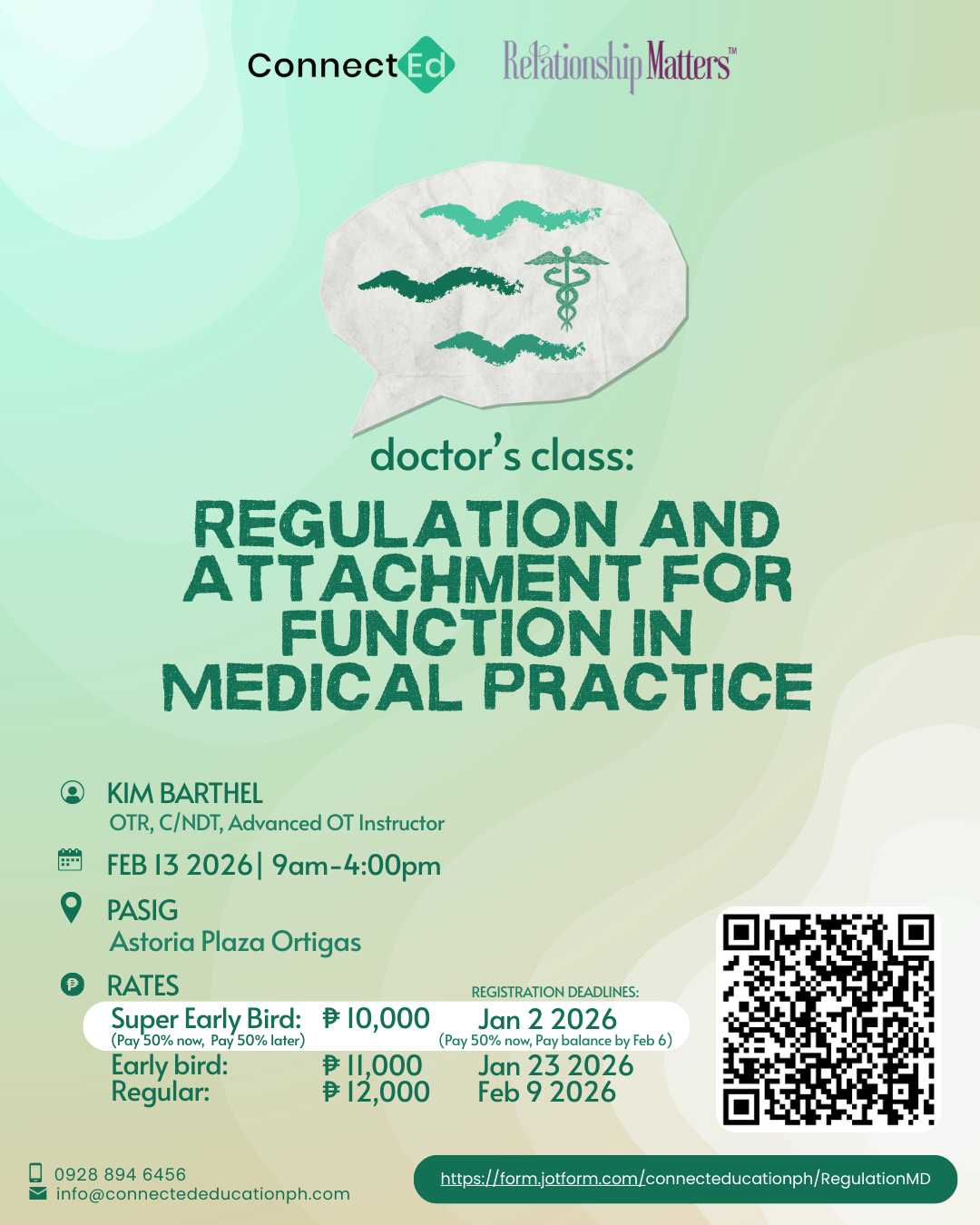
"Regulation and Attachment for Function in Medical Practice" is a full day training that explores how the brain and body work together to shape behaviour and function. Through an integrative lens that blends neuroscience, attachment theory, sensory processing, trauma awareness, and relational connection, Kim Barthel offers a deeper understanding of why children respond the way they do, especially in medical or therapeutic settings.
Participants will learn how regulation develops across childhood, why co-regulation is a powerful clinical tool, and how early experiences and stress responses influence a child's capacity for participation. The course will also illuminate how neurodevelopmental differences, sensory profiles, emotional vulnerabilities, and daily functional challenges, such as feeding and sleeping, are interconnected through the body's regulation systems.
Through neurobiology and practical examples from over Kim's over 42 years of practice, clinicians will gain insight into:
Regulation as a brain-body experience, not simply a behavioural skill
The role of co-regulation and attachment in supporting children and families during examinations and care
How to read autonomic cues that indicate a child's stress level
or emotional stateHow sensory processing and interception influence cooperation and functional performance
How trauma, stress, and early experiences impact behaviour and physiological responses
Practical, relationally-attuned strategies that support safety, lower overwhelm, and build trust with children and families
Rooted in both science and human connection, this training supports clinicians in understanding children through the lens of their nervous systems. The insights gained will enhance assessment accuracy, deepen therapeutic relationships, and empower professionals to support families with clarity, compassion, and confidence.
Hosted by: