
Beyond the Mood Swings: The Neurobiology of Perimenopause
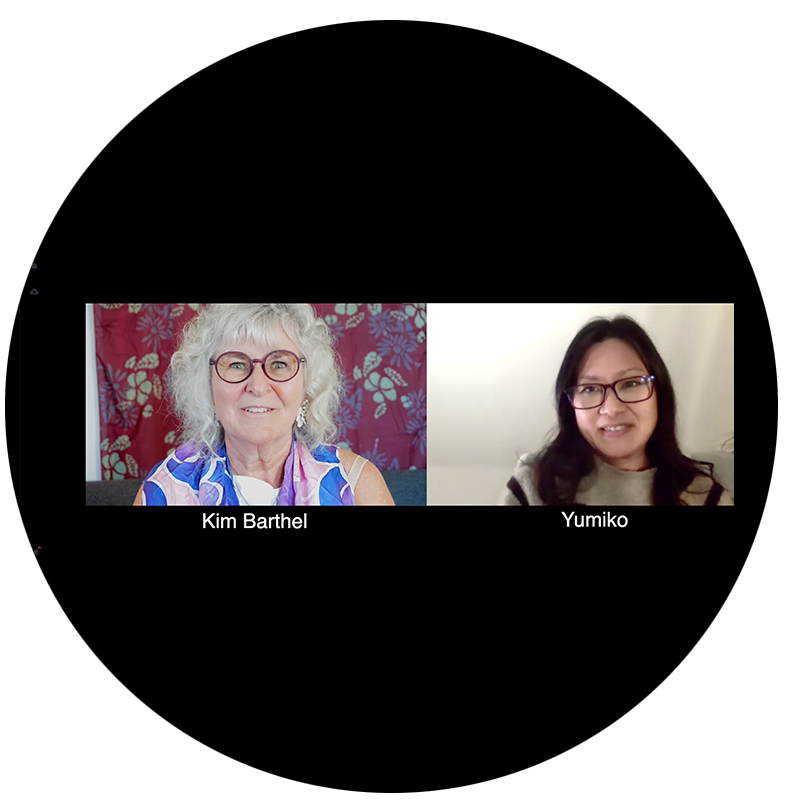
by Kim Barthel
Over the years, I have listened to many women who describe feeling unlike themselves during perimenopause.
“Why am I so reactive?”
“Why can’t I tolerate noise anymore?”
“Why does everything feel harder?”
What I often explain is that perimenopause isn’t simply a reproductive transition, it’s also a nervous system transition.
I like to think of the brain’s neurotransmitters as sliders on a DJ board. During perimenopause, hormones fluctuate dramatically, causing shifts in serotonin, dopamine, GABA, and other neurochemicals that help regulate mood, attention, stress, and regulation. The result can be a nervous system that feels less stable and more reactive.
Many women experience what is often called “perimenopausal rage.” From my perspective, this is less about anger and more about a reduced capacity for regulating stress chemistry.
Imagine your ability to manage daily demands as a coffee cup. During perimenopause, hormonal changes can shrink that cup, but the same amount of coffee gets poured in. The same stressors you’ve managed for years, family demands, noise, work pressures may suddenly feel overwhelming and spill over your cup.
These changes can also affect sensory processing. Sounds may seem louder, lights brighter, and busy environments more exhausting. Combined with disrupted sleep and hormonal shifts, it’s no surprise that many women experience brain fog, forgetfulness, or difficulty concentrating.
For those already navigating neurodiversity, sensory sensitivities, or chronic stress, perimenopause can amplify existing challenges.
Understanding the neurobiology behind these experiences helps move us away from self-judgment and toward self-compassion. Rather than asking, “What’s wrong with me?” we can begin asking, “What is my nervous system trying to tell me?”
Perimenopause is not simply a hormonal transition. It is an invitation to better understand the remarkable relationship between our bodies, brains, and lived experiences.
Join me and my colleague/friend Yumiko Kakutani for what we hope is an enlightening conversation directly relevant to some, and indirectly relevant to all.